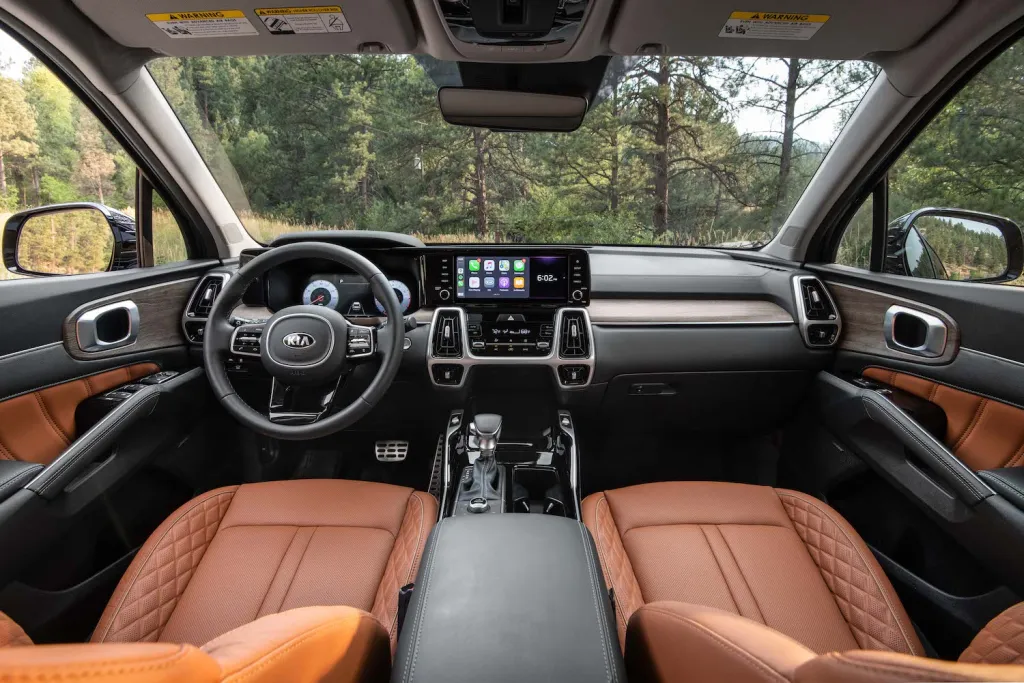
Three months after buying our SUV, the infotainment screen went black while I was using navigation to get somewhere important. Just dead. No warning, no error message – one second it worked, the next it didn’t.
That started my education in common SUV problems. I joined owner forums, talked to mechanics, and discovered that almost every mid-size SUV has predictable issues that show up around the same mileage points. Some are minor annoyances, others cost thousands to fix.
What frustrated me most was learning these problems were well-documented before I bought the vehicle. If I’d spent an hour reading consumer testing reports instead of trusting the salesperson, I could’ve avoided several headaches.
Electrical Gremlins That Drive You Crazy
Modern SUVs are basically computers on wheels, which means electrical problems happen constantly. My neighbor’s backup camera works randomly – sometimes it displays, sometimes just a black screen. Dealership has “fixed” it three times.
These issues are maddening because they’re intermittent. The system works perfectly during your service appointment, then fails again the next day. Technicians can’t fix problems they can’t replicate, so you’re stuck documenting failures and hoping eventually it breaks in front of the right person.
Battery drain is another common complaint. You park the vehicle, and two weeks later the battery’s dead because some module didn’t go to sleep properly. Could be the entertainment system, could be a door sensor, could be anything. Finding the actual cause requires expensive diagnostic time.
Power liftgates fail regularly. The motors wear out, sensors get dirty, and suddenly you’re manually lifting a 60-pound hatch because the automatic function quit. Replacement runs $800-1,200 depending on the model.
USB ports stop working. Wireless charging pads quit charging. Navigation systems lock up mid-route. Every electronic feature eventually develops problems, and fixing them costs way more than you’d expect for what seems like simple issues.
The worst part is that software updates sometimes create new problems while fixing old ones. My infotainment system got slower after an update that was supposed to improve performance. Now I’m stuck with laggy responses that make simple tasks frustrating.
Transmission Problems Everyone Complains About
If you hang out in SUV owner forums for five minutes, you’ll see transmission complaints. Hesitation when shifting, hard shifts between gears, shuddering during acceleration – these issues appear across almost every brand.
The transmissions have gotten incredibly complex. Eight, nine, even ten speeds trying to balance power and fuel economy. All those gears mean more opportunities for things to feel wrong, even when they’re technically operating within specifications.
I feel a delay every morning when shifting from park to reverse. Takes maybe a second before it engages. Dealer says it’s normal, but it wasn’t like that when new. Thing is, unless it completely fails, they won’t do anything because the computer isn’t throwing error codes.
Fluid changes help more than manufacturers admit. The “lifetime fluid” thing is marketing nonsense designed to make ownership look cheaper. I started doing changes every 35,000 miles and the shifting feels noticeably smoother afterward.
Temperature affects how transmissions behave. Cold weather makes mine shift rough for the first few miles. Hot weather causes more slipping on long highway drives. These aren’t failures exactly, just annoying characteristics you learn to live with.
Some model years have known transmission issues that result in complete failure. My coworker’s transmission died at 73,000 miles – $6,200 to replace. Out of warranty by 3,000 miles, so he ate the entire cost. Research specific model years before buying to avoid problem transmissions.
Suspension Noises And Wear
Clunking over bumps started around 55,000 miles on mine. Sounds like something’s loose underneath, which turns out to be exactly the problem – bushings wear out and create play in the suspension components.
Strut mounts fail on almost every SUV between 60,000-80,000 miles. These rubber mounts deteriorate from heat and UV exposure, then start making knocking sounds when you turn or hit bumps. Replacement costs $400-600 but at least it’s straightforward.
Sway bar links rattle themselves to death. They’re cheap parts – maybe $40 each – but labor adds up because everything else is in the way. That rattling sound you hear over rough pavement? Probably sway bar links.
Ball joints wear faster on heavier vehicles. SUVs put more stress on these components than sedans do, so they need replacement sooner. Worn ball joints affect steering and tire wear, plus they can separate catastrophically if ignored too long.
The rear suspension on mine started sagging after I loaded it heavily a few times. Now it sits slightly lower in back even when empty. Replacement springs or air suspension repairs run $800-1,500 depending on what system you have.
Brake System Issues
Brake rotors warping causes pulsation you feel through the pedal during stopping. Happens way more often on SUVs because of the extra weight and heat generated. Resurfacing helps temporarily, but usually you’re replacing rotors by the second brake job.
Electronic parking brakes fail in creative ways. Sometimes they won’t release. Sometimes they won’t engage. Sometimes they work fine for months then quit randomly. The actuator motors corrode or the control module glitches, and you’re looking at expensive repairs.
Brake fluid gets contaminated over time, which affects how the system feels and performs. Most people never change brake fluid until something breaks. I started doing it every three years and the pedal feel stayed consistent instead of getting mushy.
Calipers seize on older SUVs, especially in rust-belt states. Road salt corrodes the slide pins and pistons, causing uneven brake wear and pulling during stops. One seized caliper can destroy a rotor and tire before you realize what’s happening.
Engine Performance And Fuel System
Check engine lights illuminate for dozens of reasons, but certain issues appear repeatedly. Oxygen sensors fail around 80,000-100,000 miles. Evaporative emissions codes from gas cap issues. Mass airflow sensor faults from dirty components.
Carbon buildup on direct injection engines reduces power gradually over time. You don’t notice the loss because it happens slowly, but suddenly your SUV feels sluggish compared to when it was new. Cleaning services help but cost $300-500.
Fuel injectors clog from low-quality gas or infrequent use. The engine runs rough, misfires, or hesitates during acceleration. Fuel system cleaners sometimes help; other times you’re replacing injectors at $150-200 each plus labor.
Turbochargers have shorter lifespans than naturally aspirated engines. Oil changes become critical because turbos spin at insane speeds and need clean oil for lubrication. Skip maintenance and you risk turbo failure that costs $2,500-4,000 to fix.
Interior Quality Problems
Leather seats crack and wear faster than expected. My driver’s seat shows significant wear at just 45,000 miles. The bolster where you slide in and out looks terrible. Conditioning helps slow the deterioration but doesn’t prevent it.
Dashboard rattles develop over time. Plastics expand and contract with temperature changes, creating gaps that buzz and rattle over bumps. Finding the exact source is nearly impossible – you fix one rattle and two more appear.
Headliner fabric starts sagging in hot climates. The adhesive fails and suddenly you’ve got fabric drooping onto passengers’ heads. Repair involves removing and regluing the entire headliner – expensive and annoying.
Climate control systems work great until they don’t. Blend door actuators fail, making clicking noises and preventing temperature changes. AC compressors die in southern states. Blower motors get loud then quit. Every climate component eventually needs attention.
Wrapping This Up
Every mid-size SUV develops problems eventually. The key is knowing what typically fails on your specific model so you catch issues early and budget for repairs accordingly.
Join owner forums for your vehicle. You’ll learn which problems are common, which repairs are expensive, and which issues never get properly fixed. That knowledge prevents surprises and helps you decide what’s worth fixing versus living with.
Extended warranties make sense on vehicles with expensive known problems. Research what typically fails outside the factory warranty period. If transmissions or turbos commonly need replacement, extended coverage pays for itself with one repair.
Keep detailed maintenance records and address small problems before they damage other components. That minor oil leak ignored for 6,000 miles can destroy engine mounts or ruin driveways. Small problems become expensive when neglected.