In my 15 years working closely with UK drivers and fleet operators, fuel efficiency in mid-size SUVs has consistently been a major factor influencing purchase and ownership satisfaction. The reality is, owning a fuel-efficient SUV isn’t just good for reducing your carbon footprint—it’s essential for controlling running costs in today’s market. Look, the bottom line is, combining technology, driving habits, and smart model choice boosts economy significantly. Let’s dive into the fuel efficiency secrets that the best mid-size SUVs offer in 2025.
Choosing the Right Powertrain
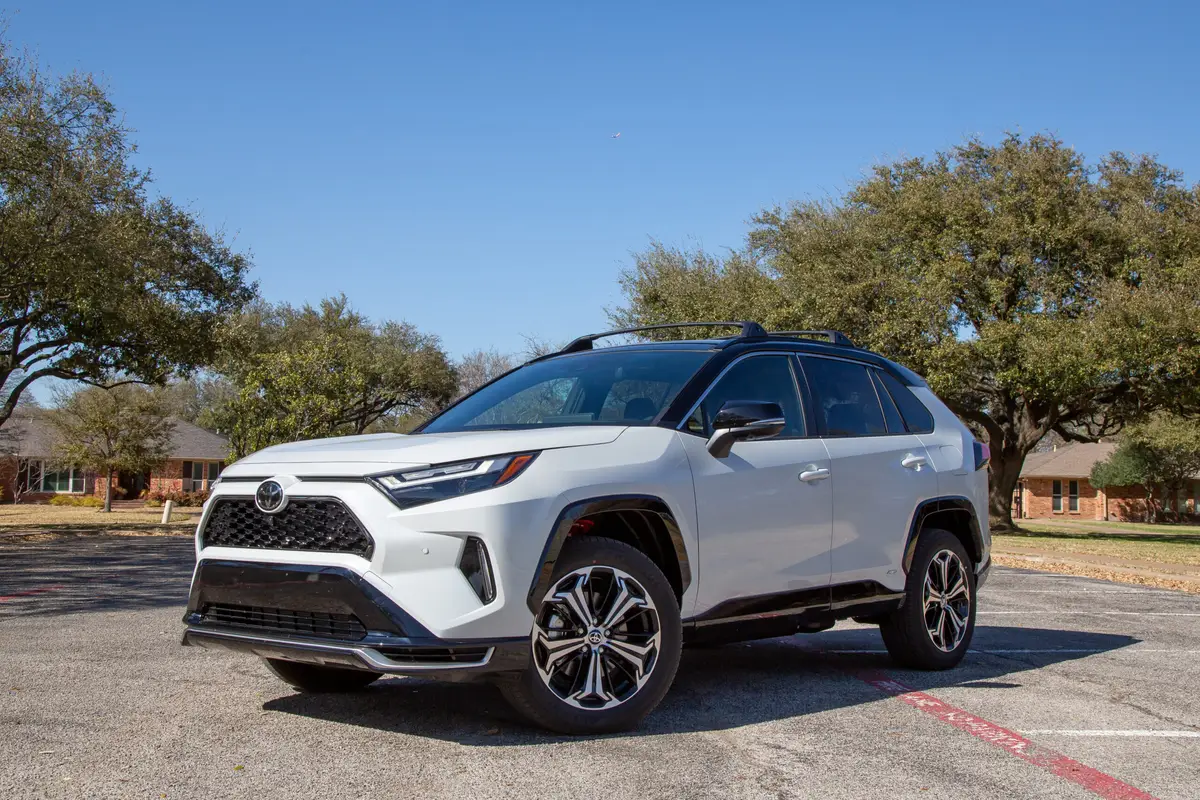
Hybrid and plug-in hybrid powertrains lead the charge for fuel economy in mid-size SUVs. Models like the Toyota RAV4 Hybrid and Kia Niro Hybrid deliver 45-50 MPG or more, bridging performance and efficiency. From experience, mild hybrids help cut urban fuel consumption, while plug-ins can cover short commutes purely on electric power, slashing costs. Diesel remains viable for motorway-heavy drivers but is losing ground in urban zones.
Aerodynamics and Weight Reduction
Manufacturers are improving aerodynamics and cutting vehicle weight to enhance fuel economy. Sleeker lines and active grille shutters reduce drag, while using lighter materials in the chassis and body help SUVs burn less fuel. I’ve seen measurable gains from choosing models optimised with these technologies, with savings of up to 10% in combined MPG.
Start-Stop and Energy Recovery Systems
Start-stop systems shut off the engine at idle, such as in traffic lights or queues, reducing wasted fuel. Additionally, regenerative braking recovers energy when decelerating, replenishing hybrid battery packs. Real-world experience shows these systems work best in urban driving scenarios typical of UK commutes, delivering consistent efficiency improvements.
Transmission and Driving Modes
Modern SUVs feature advanced transmissions—CVTs or multi-speed automatics—that keep engines running in the optimal power band. Coupled with selectable driving modes (eco, sport), drivers can tailor performance to fuel saving or power as needed. Judicious use of eco modes can boost MPG by several percentage points, as I’ve seen when advising drivers on real-world fuel management.
Driving Style and Conditions
The final and often overlooked secret is how you drive. Smooth acceleration, maintaining steady speeds, avoiding excessive idling, and timely gear changes all contribute to better economy. Frequent short trips and stop-start traffic reduce MPG, while motorway cruising at moderate speeds maximises efficiency. Educating drivers on these habits can result in fuel savings greater than some technological upgrades.
Conclusion
The reality is, fuel efficiency in the best mid-size SUVs results from a blend of advanced powertrains, smart engineering, and informed driving. Look, the bottom line is, no single factor dominates—it’s the combined effect that makes the difference. Practise adopting these secrets, and you’ll get the most out of your next mid-size SUV, both environmentally and financially.
FAQs
Which mid-size SUV has the best fuel economy in 2025?
Hybrids like the Toyota RAV4 and Kia Niro top the charts, exceeding 45 MPG in combined driving.
Are diesel SUVs still fuel-efficient?
Yes, for motorway-heavy users, but urban emissions restrictions favour hybrids and electric options.
How much fuel can start-stop systems save?
They can reduce fuel consumption by 5-10%, especially in stop-start urban traffic.
Does regenerative braking really help?
Yes, it recovers energy usually lost in braking, contributing to better efficiency in hybrids.
Are CVT transmissions more efficient than traditional automatics?
CVTs keep the engine in the optimal range more effectively, often improving fuel economy.
Can driving modes affect fuel efficiency?
Using eco mode adjusts throttle and transmission settings to maximise MPG.
How important is driving style for fuel consumption?
Very important; smooth acceleration and maintaining steady speed improve economy drastically.
Do lighter SUVs always mean better fuel efficiency?
Generally, yes, but it depends on the powertrain and aerodynamics too.
Is it more economical to buy a hybrid or plug-in hybrid?
Plug-in hybrids save more if you regularly charge and drive short distances on electric power.
Can fuel efficiency impact resale value?
Yes, more efficient SUVs tend to retain value better in the evolving UK market.