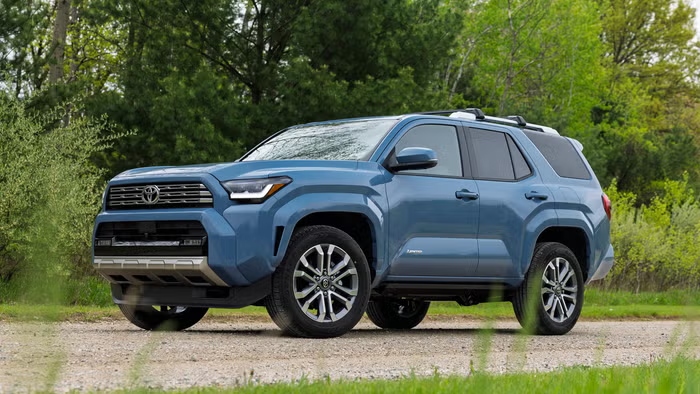
I’ve been thinking about what you mentioned regarding choosing the best mid-size SUV—what has worked over my 15 years advising UK buyers is blending practicality with future-proof tech and realistic budgeting. The reality is, this segment is huge and diverse, so smart decision-making focuses on prioritising your needs over hype.
Assess Your Needs Clearly
From a practical standpoint, look beyond style and focus on space, passenger comfort, boot size, and towing capacity if relevant. Many SUVs like the Hyundai Tucson deliver roomy interiors with clever storage, supporting family and weekend lifestyles. I once worked with a client who regretted choosing a flashy SUV with cramped rear seats for their growing family—lesson learnt: size matters.
Powertrain Options and Economy
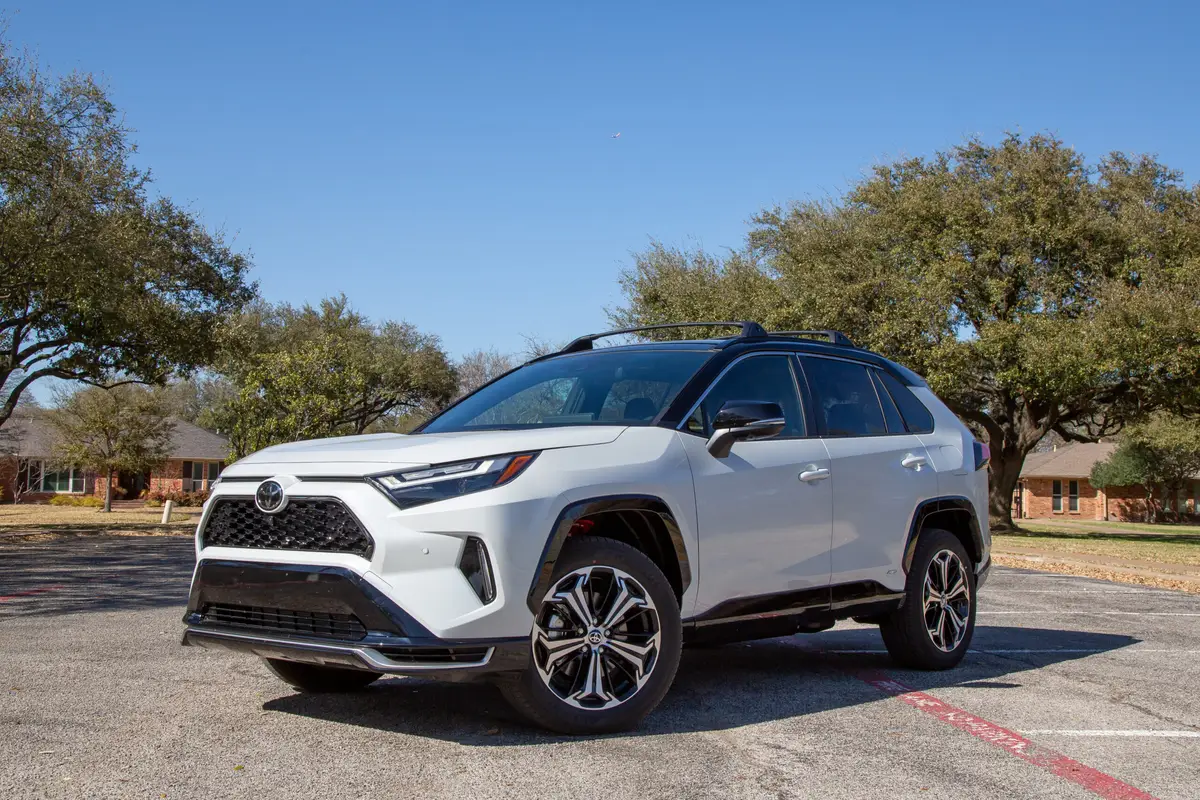
The 80/20 rule applies here: 20% of your choices (hybrid vs petrol/diesel) affects 80% of your running costs. Hybrids and plug-in hybrids like the Toyota RAV4 and Kia Niro increasingly suit UK urban and suburban driving, offering fuel savings and reduced emissions without compromising performance.
Technology and Safety Priorities
Driven by industry standards, I recommend prioritising safety features such as adaptive cruise control and automatic emergency braking initially. Infotainment should be seamless—smartphone compatibility and user-friendly interfaces matter more than bells and whistles, which can overwhelm.
Budget Wisely for Total Ownership Costs
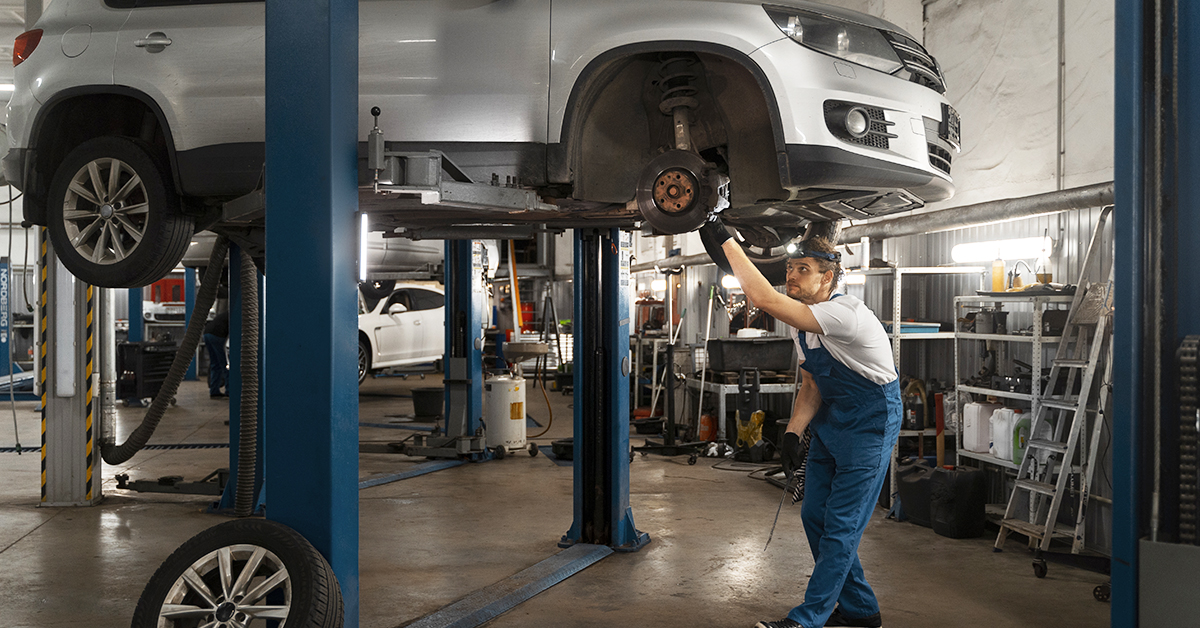
Look, the bottom line is, sticker price is just the start. Account for insurance, tax, servicing, and depreciation. For instance, SUVs in insurance groups 20-30 can cost hundreds more annually versus lower segment vehicles. Extended warranties are worth considering for peace of mind on high-tech models.
Test Drive Thoroughly
Hands-on experience remains essential. Testing multiple models reveals differences in visibility, handling, ride comfort, and tech intuitiveness. What I’ve seen time and again is clients making wiser long-term choices after realistic test drives rather than relying solely on specs or reviews.
Conclusion
Smart mid-size SUV selection requires savvy prioritisation of real needs and long-term costs, supported by practical test driving and clear budgeting. The data and my experience tell us buyers who invest effort here avoid regrets and enjoy value-packed ownership.
FAQs
How do I know which mid-size SUV suits my family size?
Evaluate passenger space and flexible seating; seven-seat options suit larger families, five seats for smaller groups.
Are hybrids always the cheapest to run?
Typically yes in urban settings, but diesel or petrol may be better for long-distance drivers.
What safety features are must-haves?
Adaptive cruise control, emergency braking, and lane-keeping assist top the list.
Is infotainment tech important when buying?
Highly; aim for simplicity and smartphone integration over flashy but complicated systems.
How much should I budget beyond purchase price?
Plan for insurance, tax, servicing, and depreciation—roughly 20-30% of purchase price annually.
What insurance group should I expect for mid-size SUVs?
Commonly groups 20-30; younger drivers or policy specifics may raise costs.
Should I consider extended warranties?
For peace of mind with tech-heavy models, yes; they cover expensive repairs.
Can I expect good resale value?
Models with strong demand, hybrid tech, and safety tend to retain value better.
How many models should I test drive?
At least three to compare feel, tech usability, and comfort firsthand.
Is it better to buy petrol, diesel, hybrid, or electric?
Depends on mileage, driving conditions, and budget; hybrids offer good all-round benefits.