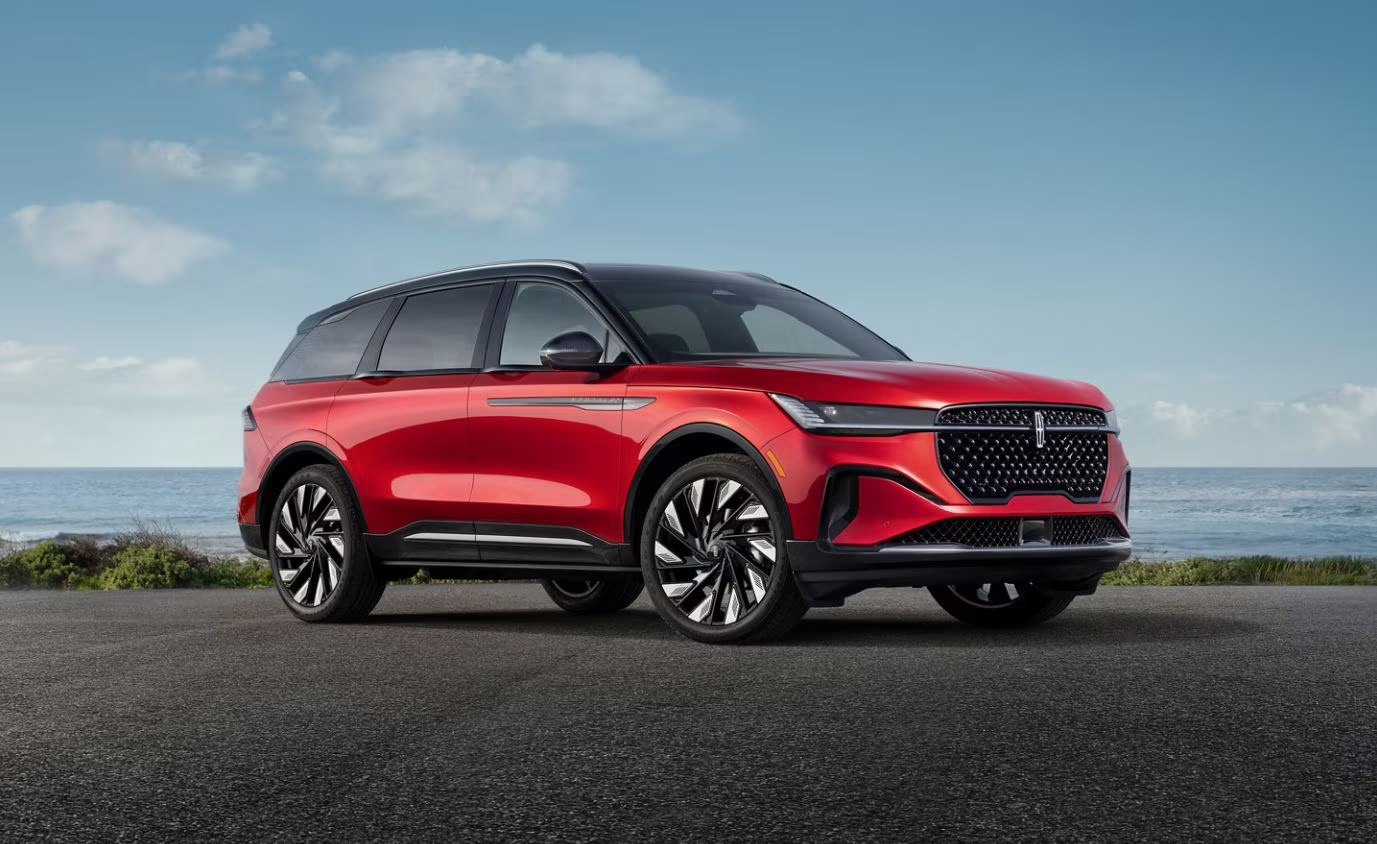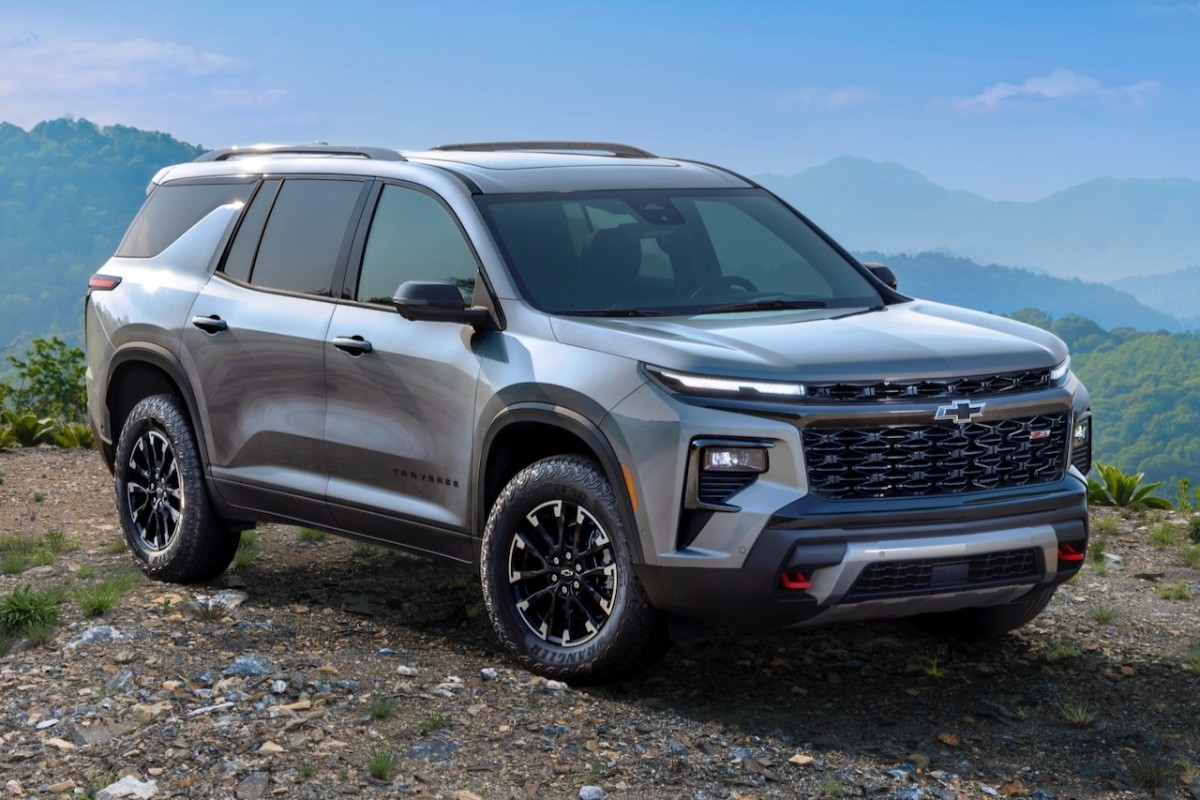
Right, selecting a mid-size SUV shouldn’t feel like navigating a minefield, yet here we are with hundreds of seemingly identical options all promising to transform your driving experience. I’ve been in the automotive advisory space for nearly two decades, working with everyone from fleet managers to individual families, and the patterns are consistent: people focus on the wrong criteria, fall for marketing nonsense, and end up with vehicles that don’t actually suit their lives. What separates a smart purchase from an expensive mistake comes down to asking the right questions before you ever set foot in a showroom.
Assess Your Genuine Usage Patterns, Not Aspirational Ones
From a practical standpoint, most buyers lie to themselves about how they’ll actually use their vehicle. You’re not suddenly going to start towing a caravan every weekend just because your new SUV can manage 2,000kg. The reality is you need to audit your actual driving: daily commute distance, weekly mileage, typical passenger count, boot requirements for shopping or sports equipment, and genuine off-road versus urban driving split. I once consulted for a client adamant he needed a seven-seater for his family of four because relatives visited twice yearly—absolute madness when a five-seater with a larger boot would’ve served 98% of his needs better. Track one month of your current driving honestly: distances, passenger numbers, cargo carried. That data matters infinitely more than hypothetical scenarios that’ll never materialise. If you’re primarily doing school runs and commuting with occasional weekend trips, a compact hybrid delivers better economy and easier parking than an oversized seven-seater you’ll never fill.
Prioritise Total Ownership Costs Over Purchase Price
Look, the sticker price is just the entry fee—what actually determines affordability is fuel, insurance, servicing, depreciation, and potential repairs over your ownership period. A £35,000 Hyundai Tucson hybrid averaging 45 mpg with £550 annual servicing costs dramatically less over five years than a £32,000 petrol equivalent returning 32 mpg with similar maintenance expenses. What I’ve learned through fleet management is that buyers fixate on monthly finance payments whilst ignoring fuel costs that’ll easily exceed £200 monthly for high-mileage drivers in thirsty SUVs. Insurance groups vary wildly even within model ranges—that sporty trim with larger wheels and more power might look appealing until you discover it sits two insurance groups higher, costing £400 extra annually. Run proper total cost of ownership calculations using realistic annual mileage and current fuel prices. Mainstream brands like Mazda, Nissan, and Hyundai consistently deliver lower maintenance costs than German premium alternatives, whilst retaining decent residual values that narrow the gap further.
Test Drive Multiple Competitors Back-to-Back
Here’s what works in practice: single test drives tell you almost nothing useful because you’ve no comparison point for ride quality, noise levels, or visibility. Block out a Saturday afternoon and drive three to four directly competing models consecutively whilst your impressions remain fresh. The differences become immediately obvious when you move from a Mazda CX-60’s refined ride into a BMW X3’s sportier setup, then compare both against a Lexus NX’s whisper-quiet cabin. Pay attention to everyday annoyances that reviews rarely mention: door mirror visibility, over-the-shoulder blind spots, infotainment responsiveness, climate control intuitiveness, and whether the driving position genuinely suits your body dimensions. I’ve seen countless buyers seduced by showroom aesthetics, ignoring that the seat never quite adjusts comfortably or the A-pillar creates a massive blind spot at busy junctions. Drive each vehicle for at least 30 minutes covering motorway, A-roads, and urban traffic—15-minute dealer loops around quiet estates reveal nothing about long-term livability or refinement.
Decode Specification Sheets Beyond Marketing Spin
The data tells us specifications mislead as often as they inform, because manufacturers cherry-pick flattering figures whilst burying limitations in footnotes. That advertised 55 mpg applies only to specific trims in unrealistic conditions—real-world consumption runs 15-25% lower depending on driving style and conditions. Boot capacity figures measure to the ceiling with seats folded, creating absurdly optimistic numbers that bear little relation to usable rectangular luggage space. What actually matters is comparing like-for-like: hybrid efficiency in combined cycles, boot space with rear seats up (the configuration you’ll use 90% of the time), and payload capacity if you’re regularly loading heavy equipment. Towing capacities mean nothing without checking tongue weight limits and whether your chosen trim includes the factory tow pack—aftermarket installations often void warranties and compromise safety systems. Everyone’s shouting about tech features, but honestly, most “premium” systems are identical hardware with different badges. Focus instead on standard safety equipment, warranty length, and whether essential features come included versus locked behind expensive option packs.
Consider Depreciation and Exit Strategy Upfront
What I’ve learned through managing vehicle cycles across multiple organisations is that depreciation represents the single largest ownership cost most buyers completely ignore. A £50,000 premium SUV losing 55% over three years costs you £27,500 in depreciation alone, before accounting for fuel, insurance, or maintenance. Meanwhile, a £35,000 mainstream alternative losing 45% costs £15,750—that £11,750 difference funds several years of running costs. Certain brands hold value dramatically better: Lexus, Mazda, and Toyota consistently outperform European alternatives, whilst electric models’ depreciation remains unpredictable as technology advances rapidly. Think about your likely ownership period—if you’re keeping the vehicle 8-10 years, initial depreciation matters less than reliability and long-term maintenance costs. Conversely, if you’re trading every 2-3 years, residual values become crucial. PCP finance structures bet heavily on predicted residuals; overly optimistic forecasts leave you with negative equity when you want to exit, whilst conservative predictions mean higher monthly payments throughout.
Conclusion
Choosing the right mid-size SUV starts with honest self-assessment of your genuine usage patterns rather than hypothetical scenarios that’ll never occur. Total ownership costs matter infinitely more than purchase price alone, whilst back-to-back test drives reveal real-world differences that specifications can’t capture. Understanding what specification sheets actually mean versus marketing spin prevents expensive mistakes, and considering depreciation upfront shapes smarter financial decisions. What I’ve learned is that the best SUV for you is rarely the one that looks best on paper or impresses neighbours—it’s the one that fits your life without stretching your budget.
FAQs
How much should I spend on a mid-size SUV?
Budget should reflect total ownership costs, not just purchase price. Aim for monthly expenses (finance, fuel, insurance, maintenance) under 15-20% of net household income for comfortable affordability.
Are extended warranties worth buying?
Rarely. Manufacturers’ warranties cover critical components for 3-7 years. Extended warranties profit dealers through exclusions and claim denials. Bank the premium instead as a repair fund.
Should I buy new or nearly-new?
Nearly-new (6-18 months, under 10,000 miles) offers best value, avoiding steep initial depreciation whilst retaining most warranty. New makes sense only if you’re keeping 8+ years.
Do I really need all-wheel drive?
Not for typical UK use. Modern front-wheel-drive with traction control and decent tyres handles winter conditions fine. AWD adds weight, complexity, and reduced fuel efficiency without meaningful benefit.
How important are brand dealership networks?
Critical for long-term ownership. Widespread dealer presence means convenient servicing and warranty work. Niche brands with limited UK networks create hassles during ownership and hurt resale values.
Should I prioritise safety ratings or real-world features?
Both matter, but usability trumps numbers. A 92% ANCAP rating with excellent visibility and intuitive controls proves safer daily than a 95% rating with massive blind spots and distracting systems.
What’s the minimum boot space I actually need?
Measure your typical cargo—weekly shopping, sports equipment, luggage. Most families manage fine with 450-550 litres with seats up. Obsessing over maximum capacity with seats folded misleads since you’ll rarely configure it that way.
Are diesel mid-size SUVs still viable?
Declining rapidly. Diesel suits only high-mileage motorway driving (20,000+ miles annually). Urban use clogs filters requiring expensive maintenance, whilst resale values tumble as buyers shift toward hybrids and EVs.
How long should I plan to keep my SUV?
Five to seven years balances depreciation against repair risks. Selling before major services (usually 60,000-80,000 miles) maximises return whilst avoiding potential expensive component replacements common in higher-mileage vehicles.
What single factor matters most when choosing?
Honest self-assessment of your actual needs. Ignore aspirations, peer pressure, and marketing hype. The right SUV fits your genuine usage patterns comfortably within your true affordability boundaries, nothing more or less.